Why AI Search Makes Public Relations Even More Important for Your Brand
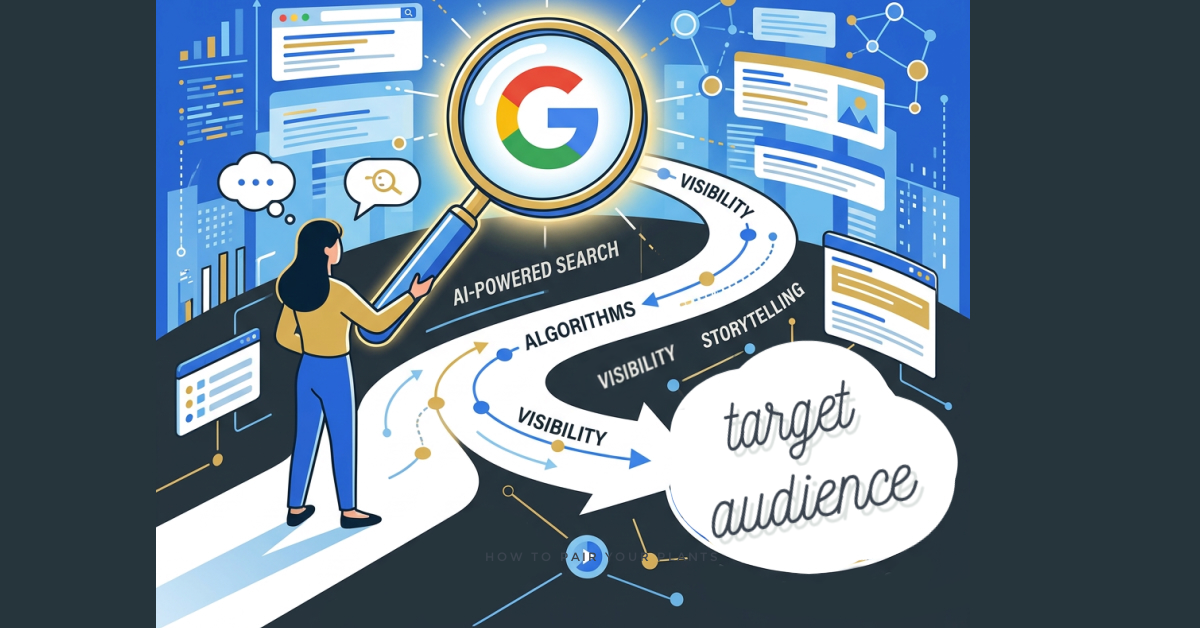
Think about how you found the last product or service you bought for work. There's a growing chance you didn't start with Google. Instead, you opened ChatGPT, Claude, Gemini or Perplexity, asked for that AI platform to share intel or reviews, and instantly read the answer it gave you.
Consumers are increasingly asking AI tools the questions they used to type into a search bar, only now they expect a real answer rather than a list of links. Typical questions such as:
What are the best companies for a given category?
Which brands are known for a specific product or service?
What should I consider before choosing a solution?
Who are the leaders in this industry?
That small change in consumer behavior has a big consequence for brands. In traditional search, your brand could compete for a click. Even if you ranked fifth, you had a shot at being seen. But when an AI tool answers your question directly, there's one answer, and your brand is either in it or it isn't. If it isn't, the customer may never learn you exist.
This isn't hypothetical. A 2025 Pew Research Center study found that when an AI summary appeared at the top of a Google search, people clicked on a traditional result only 8 percent of the time, compared with 15 percent when no summary was present. Only 1 percent clicked a link inside the summary itself. And 6sense's 2025 buyer research found that the large majority of B2B buyers now use AI tools during their buying journey.
Here's why that's good news for anyone in communications: this is, at its core, a public relations problem. AI tools build their answers from the same things PR has always worked on — what credible media outlets and third parties say about you, how consistently you describe yourself, and whether trusted sources are willing to vouch for you. The brands that show up well in AI answers usually aren't the ones publishing the most. They're the brands that are clearly described, consistently referenced and credibly endorsed across the places these tools look.
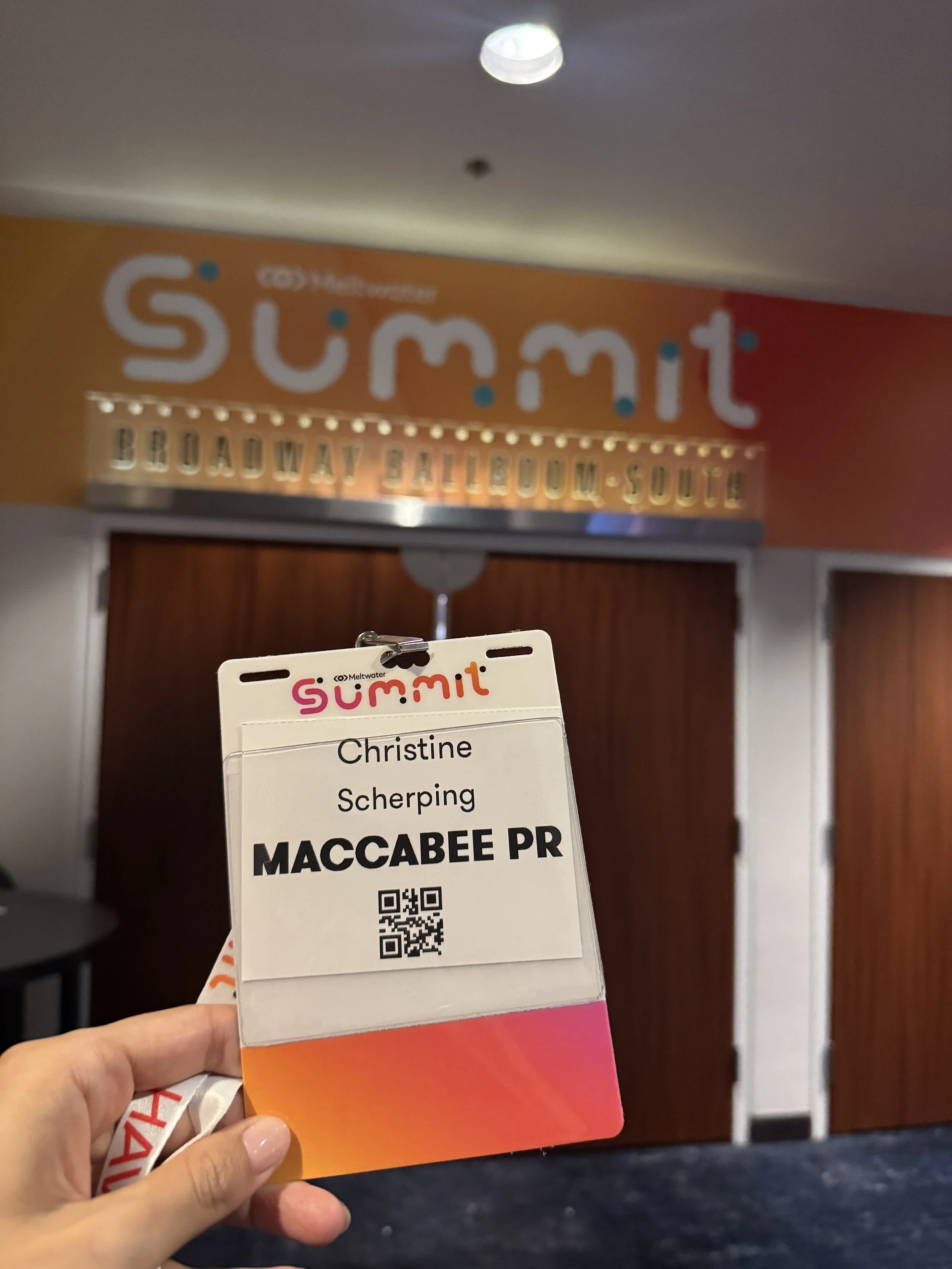
At a Meltwater PR conference this Spring, one point stuck with me: your content now has two readers: the audience you've always written for, and the AI systems increasingly sitting between you and that audience. You can't dictate what those systems say about your brand. But you can give them better information to work with, and that's familiar territory for PR.
SEO, AEO and GEO, and Why You Need All Three
You don't need to become a technical expert here. Three kinds of optimization now work together:
SEO, or Search Engine Optimization, helps people find your website. It's still foundational, but it's no longer the ceiling.
AEO, or Answer Engine Optimization, helps your brand show up in direct answers, snippets and knowledge panels.
GEO, or Generative Engine Optimization, helps your brand be understood, cited and recommended inside AI-generated answers.
The simplest way to hold it in your head: SEO gets you found, AEO gets you quoted, and GEO gets you recommended. Brand marketers want all three.
What Shapes How AI Describes Your Brand: Frequency, Clarity and Authority
When AI tools form an answer about a brand, they draw on public conversations, high-authority sources like major media and industry publications, and structured signals like clear website data and FAQs. You influence what AI says about you by improving the material it reads. Three factors matter most.
Frequency
This is how consistently your brand shows up across credible sources. One press release or one article won't move the needle. AI notices patterns, not single moments.
Brand check: Are we showing up consistently across credible sources, or relying on one-off visibility?
What a communications team can do:
Earn recurring media mentions in relevant trade and consumer outlets
Get included in credible roundups and best-of lists
Take part thoughtfully in relevant public conversations and industry communities
Clarity
This is the consistency and specificity of how you describe yourself. AI needs to understand what you do, who you serve and why you're credible.
Brand check: Would AI describe our brand the same way we describe ourselves?
What a communications team can do:
Audit the language across your website, press materials, executive bios, social profiles and FAQs
Replace vague claims with specific descriptions, in the words your customers actually use
Standardize terminology across marketing, PR, sales and leadership communications
Add FAQ content that answers the hardest questions customers actually ask
Authority
This is the credibility of the sources that define you and your category. AI gives more weight to sources that already carry trust.
Brand check: Are credible third parties helping define our brand, or are we the only ones making the claim?
What a communications team can do:
Pitch the outlets and publications AI tools are likely to cite
Publish expert commentary and thought leadership from your executives and subject matter experts
Create data-driven case studies, or commission research that can become a source for future coverage
Build customer advocacy that produces specific, credible testimonials
What Strong AI Visibility Actually Looks Like
A few patterns show up again and again in the brands that consistently appear in AI answers.
Real customer reviews. Third-party review profiles carry more weight than most brands realize. A 2026 analysis by Seer Interactive found that brands with no Trustpilot profile had a median AI citation rate of about 1 percent, while brands with even a small number of reviews jumped to more than 50 percent. For B2B brands, detailed profiles on platforms like G2 play a similar role. Reviews are no longer just social proof for humans. They're a signal AI reads.
Authentic community conversation. Brands like Notion and Canva benefit from years of real users discussing them on Reddit, in forums and on YouTube. AI tools lean heavily on those spaces —Reddit, YouTube and LinkedIn rank among the most-cited sources across major AI platforms, according to a 2026 analysis of 30 million citations by Peec AI. You can't manufacture that kind of conversation, but you can earn it and take part in it honestly.
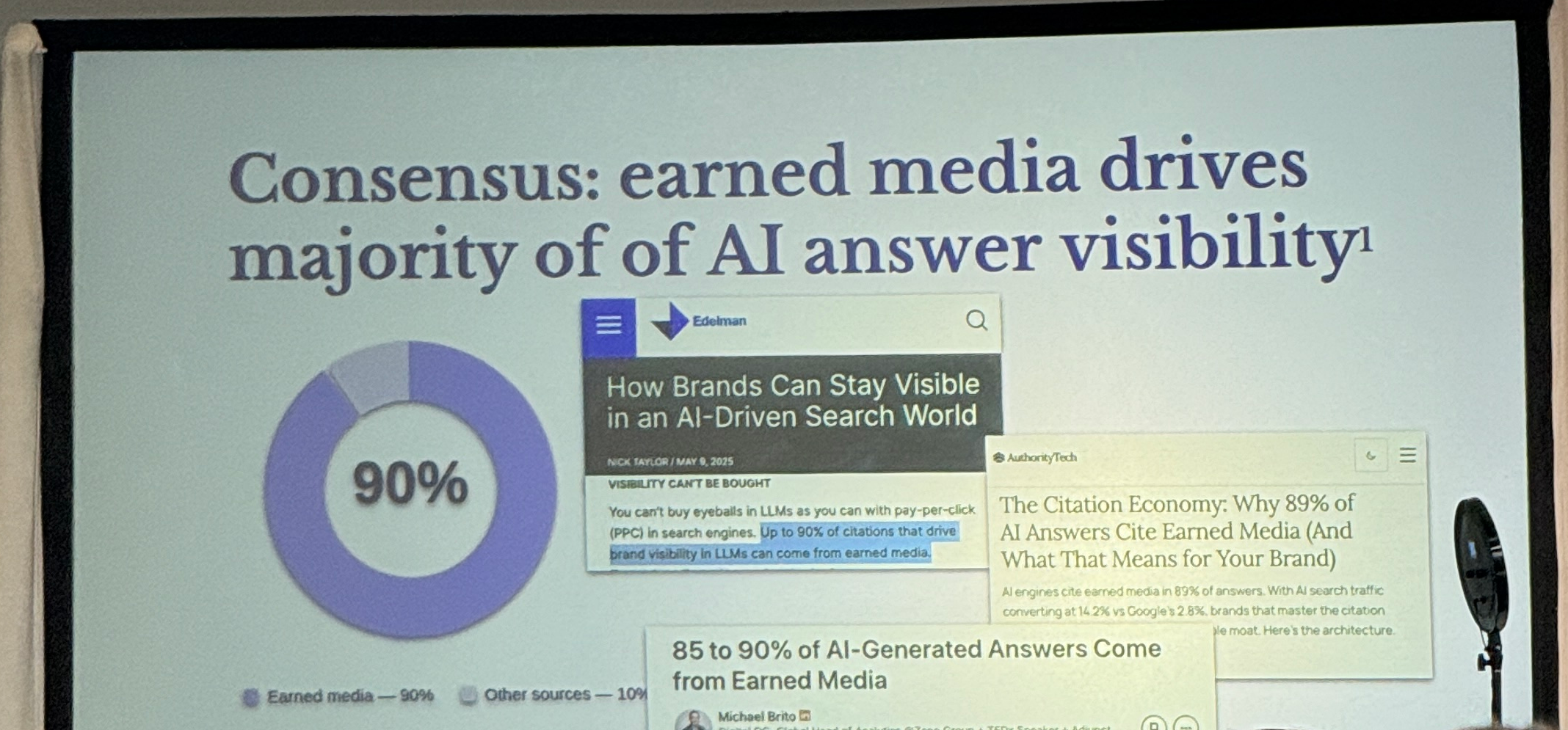
Earned media that travels. Where your story appears matters. One 2025 analysis found that distributing the same content across a range of credible publications, rather than posting it only on your own site, increased AI citations by as much as 325 percent. That's the PR muscle at work: getting trusted outlets to carry your story so it shows up in more of the places AI looks.
The Bottom Line
You don't need to control what AI says about your brand, and you should be wary of anyone who promises you can. What you can do is influence it, by giving these AI tools clearer, more consistent and more credible information to work with. Start by diagnosing what's missing, then build from there.
AI search doesn't replace PR. It makes credible PR more important. The work of earning trust, staying consistent and getting other people to vouch for you is now the work of being found.
Curious how your brand currently shows up in AI search, or where to start? We'd love to talk. Reach out to Christine at christine@maccabee.com.